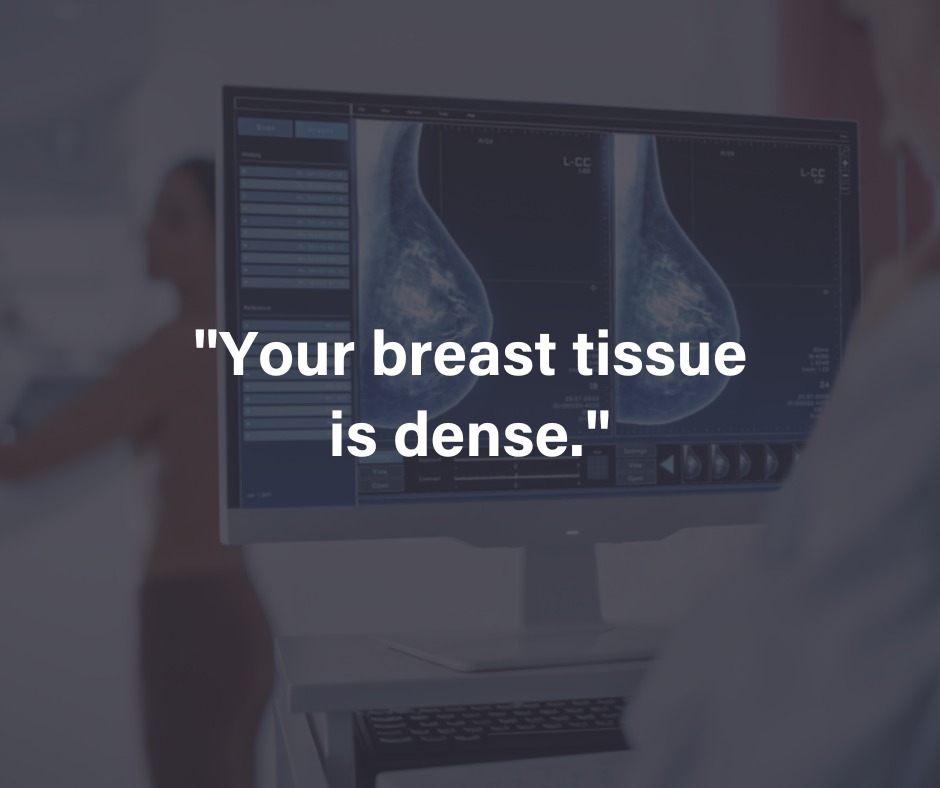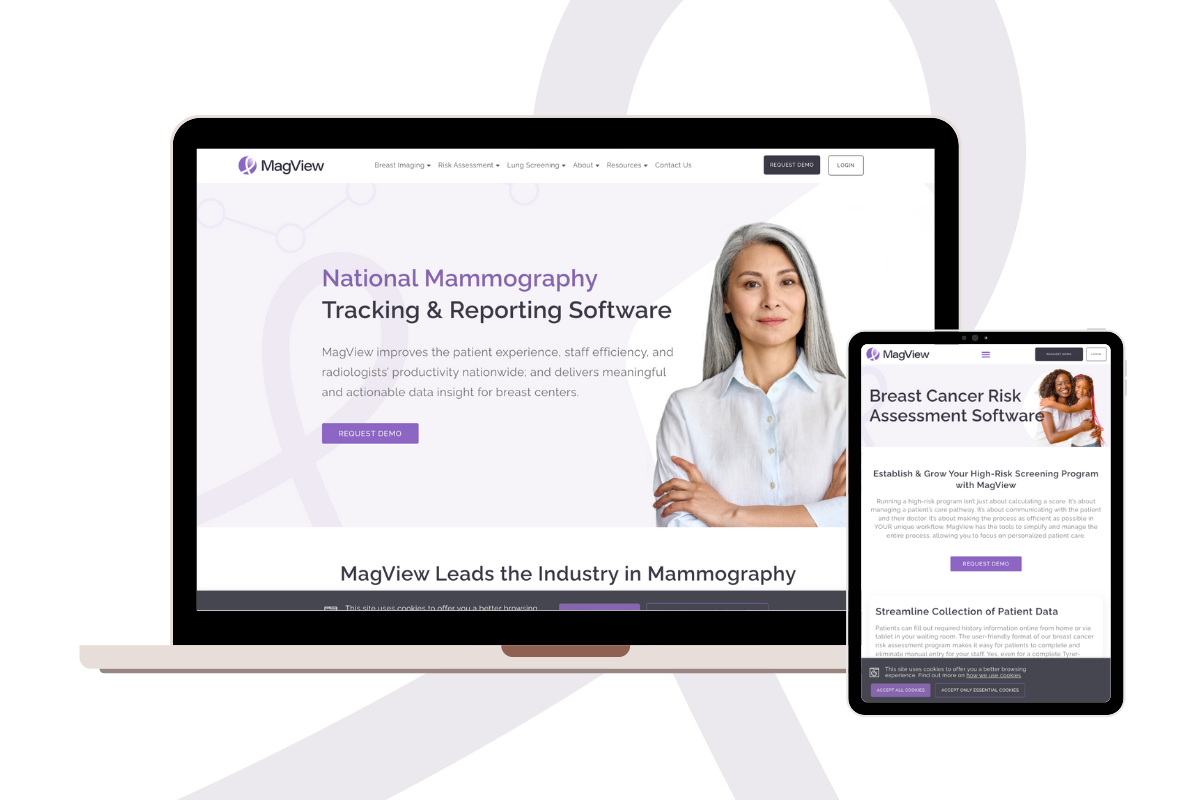


The rapid advancement of breast cancer screening and prevention technology is cause for excitement and hope in our industry, with AI breast cancer risk assessment quickly moving to the forefront.
Traditional clinical breast cancer risk assessment models rely on information that, while useful, has significant limitations. These models rely on self-reporting, family histories that may be incomplete or inaccurate, and research that underrepresents certain demographics.
AI Image-Based Risk Assessment
What Is AI Image-Based Risk Assessment?
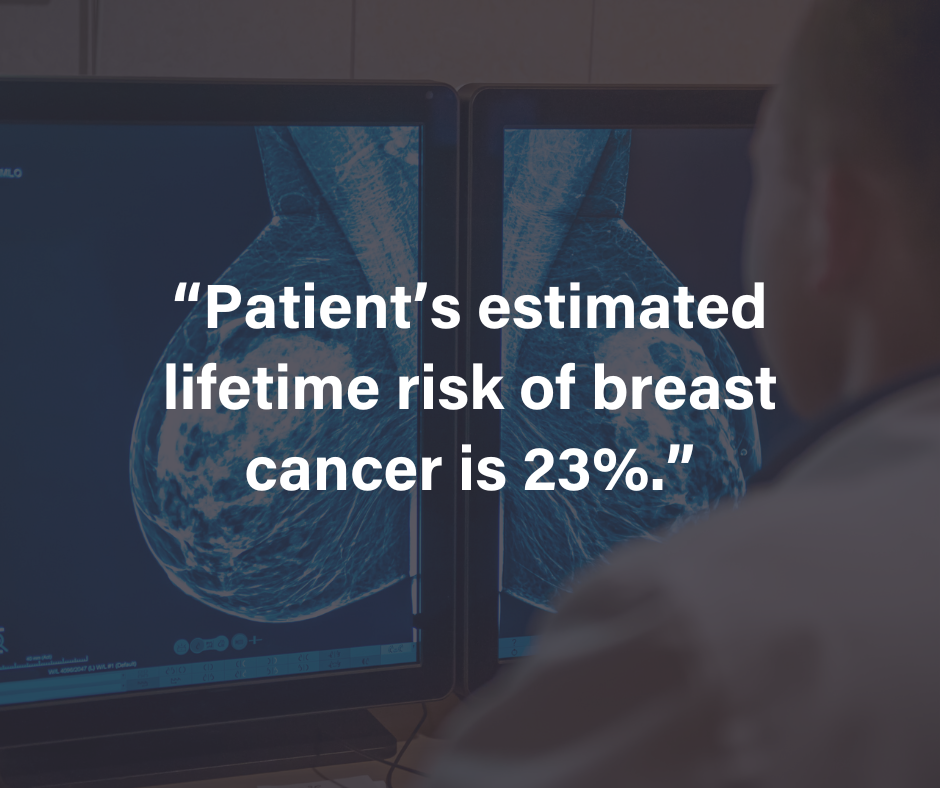
In the case of image-based breast cancer risk assessment, developers input images from an extremely large pool of real mammograms to identify patterns in breast tissue that correlate with future cancer development. The scale of information an AI breast cancer risk assessment model utilizes is monumental, and includes many factors that simply aren’t available to clinicians at the point of care, and to patients filling out a questionnaire.
NCCN Guidelines Recognize Image-Based Risk: A Major Milestone for Breast Cancer Screening
The latest NCCN Breast Cancer Screening and Diagnosis Guidelines (Version 1.2026) now recognize imaging-based risk assessment as part of clinical decision-making — marking a significant shift in how breast cancer risk is evaluated and acted upon.
This milestone matters for a few key reasons:
- Risk now drives action. A ≥1.7% five-year risk score is directly tied to clinical next steps, including consideration of supplemental MRI, more frequent follow-up, and referral for risk-reduction strategies.
- Screening becomes continuous. NCCN emphasizes ongoing risk reassessment over time, moving away from a one-time classification to a more dynamic, longitudinal approach to care.
- Earlier identification of high-risk patients. Imaging-based risk introduces a pathway starting around age 35, helping identify women who may not yet qualify for routine screening but are still at elevated risk.
For providers, this creates a clear, guideline-backed path to act on a patient’s risk score with confidence. For patients, it means more personalized care, with earlier intervention and screening tailored to their individual risk.
How Image-Based Risk Complements Clinical Models
Image-based risk assessment isn’t replacing traditional clinical risk models anytime soon. Instead, it enhances them by adding a powerful new layer of insight. Combining the power and breadth of AI risk detection with traditional risk models ensures a level of accuracy that can’t be achieved with either approach alone. Risk models like the Tyrer-Cuzick IBIS and GAIL models continue to provide crucial insight into 10-year and lifetime cancer risk, especially for women with a family history. AI image-based risk assessment can also help improve equity in risk evaluation by analyzing patterns directly from mammograms and providing more consistent insights across women of different ethnic backgrounds.
AI image-based risk assessment adds another layer of data and provides insight into shorter-term cancer risk, predicting the likelihood of cancer in the next five years.
Why Image-Based Risk Matters for Breast Imaging Programs
At MagView, we’re eager to see AI image-based risk assessment move toward the forefront of the risk assessment landscape. The magnitude of data that AI brings to image-based risk assessment will significantly improve early identification of more women who can benefit from supplemental screening, especially those not identified by traditional models. This allows screening strategies and care plans to be implemented as early as possible, offering a better chance at early detection.
These models are able to easily and effectively align with guidelines and risk-based care models as they evolve with technology and regulation, adding value and accuracy without adding burden to breast health centers and patients.
The Three Pillars of Breast Cancer Risk Assessment
Today, a more complete understanding of breast cancer risk comes from combining three complementary sources of information:
Clinical Risk Models
Models such as Tyrer-Cuzick (IBIS) and the Gail Model analyze clinical factors like age, family history, reproductive history, and breast density to estimate a woman’s long-term risk of developing breast cancer.
Genetic Risk Assessment
For women who qualify, genetic testing can identify inherited mutations such as BRCA1 or BRCA2 that significantly increase lifetime cancer risk and may influence screening and prevention strategies.
Image-Based AI Risk Assessment
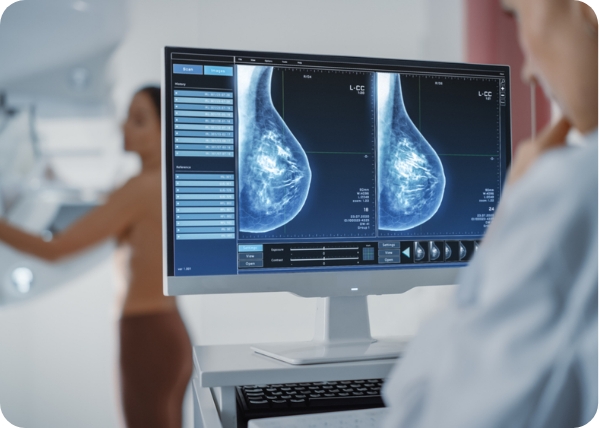
AI models analyze subtle imaging patterns directly from screening mammograms to predict a woman’s likelihood of developing breast cancer within the next five years. Because this approach evaluates the mammogram itself, it may also help provide more consistent risk insights across women of different ethnic backgrounds.
Together, these approaches create a more complete picture of risk. By combining clinical history, genetic insights, and imaging-derived signals, providers can better identify women who may benefit from earlier screening, supplemental imaging, or personalized prevention strategies.
Introducing Clairity Breast
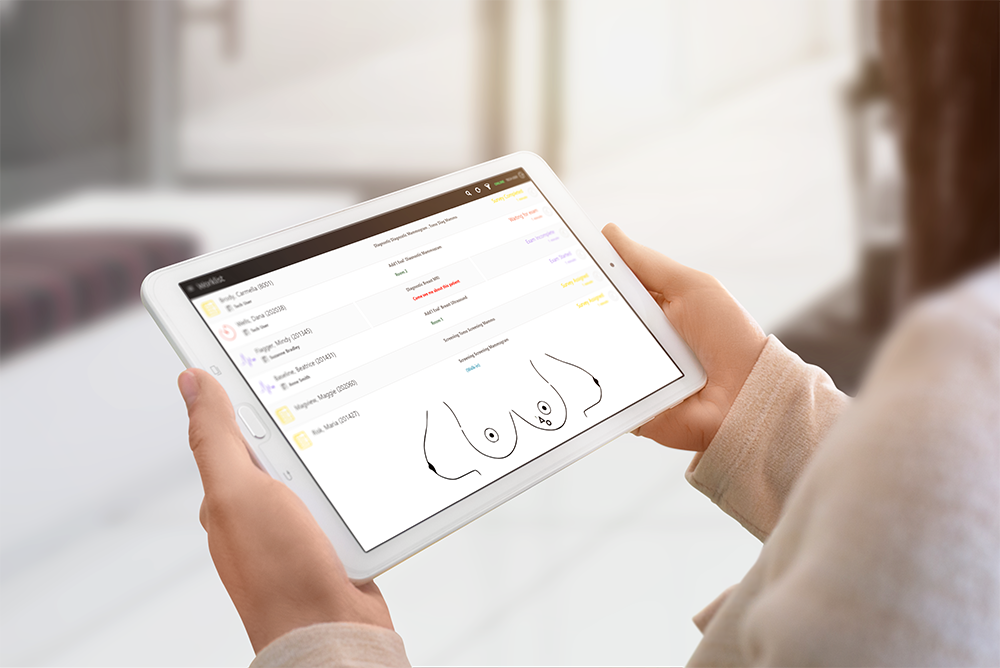
Clairity Breast is the first and only FDA-authorized AI image-based risk assessment for breast cancer, analyzing mammogram images to estimate a woman’s 5-year risk of developing breast cancer. Easily integrated with MagView platforms including Luminary Risk, Clairity Breast can be offered to all patients, offering the potential to identify high-risk patients who may not be flagged by traditional risk models. Deploying Clairity Breast through MagView’s Luminary Risk allows sites to track these patients, manage supplemental screening, and view analytics on their high-risk programs — all without disrupting existing workflows.


Explore Clairity Breast
How AI Image-Based Risk Fits into Existing Workflows
For AI to deliver real value in breast imaging, it must fit seamlessly into the clinical workflow. Radiologists and technologists already work across multiple systems— Adding another standalone platform or manual step can slow down already busy screening programs.
The most effective AI tools are designed to integrate directly into the systems clinicians already use. When image-based risk assessment runs alongside routine screening mammograms and surfaces results within the reporting and risk management workflow, it becomes a natural extension of the radiologist’s work rather than an additional task.
This integration makes risk insights available at the right moment in care. Radiologists can review AI-derived risk information alongside traditional models and clinical data, helping identify patients who may benefit from earlier screening, supplemental imaging, or closer follow-up.
When AI is embedded within a breast imaging workflow, it also enables programs to scale. Breast centers can more easily identify higher-risk patients, track them longitudinally, and support more personalized screening strategies without adding operational complexity.
The Future of Risk Assessment
AI image-based breast cancer risk assessment is new, but we’re confident it will evolve and become common practice — similar to the days when 3D mammography evolved to become the gold standard in breast imaging. After the first clinical patient received a Clairity Breast cancer risk score in Massachusetts in February of 2026, Donna McKay, president and CEO of the Breast Cancer Research Foundation had this to say:
“Today’s first clinical patient marks the beginning of a new chapter in women’s health – one in which far more women can understand their risk earlier and benefit from care that is better matched to their individual needs. An era in which patients are offered a peek into their future and are armed with the information to effectively change it.”
If you’re interested in being one of the first sites to offer AI-based risk assessment, we can help you get it off the ground and grow your program and downstream services.






















![shutterstock_1299510538-[Converted]](https://azuretest.magview.com/wp-content/uploads/2023/05/shutterstock_1299510538-Converted.jpg "monitoring breast density")