
In 2019, the FDA announced proposed changes to the mammography facility accreditation requirements that were issued under the Mammography Quality Standards Act (MQSA) of 1992. These changes went into effect in September of 2024, forcing many mammography practices to pivot in some areas of operation.
New Requirement: Breast Density Notification
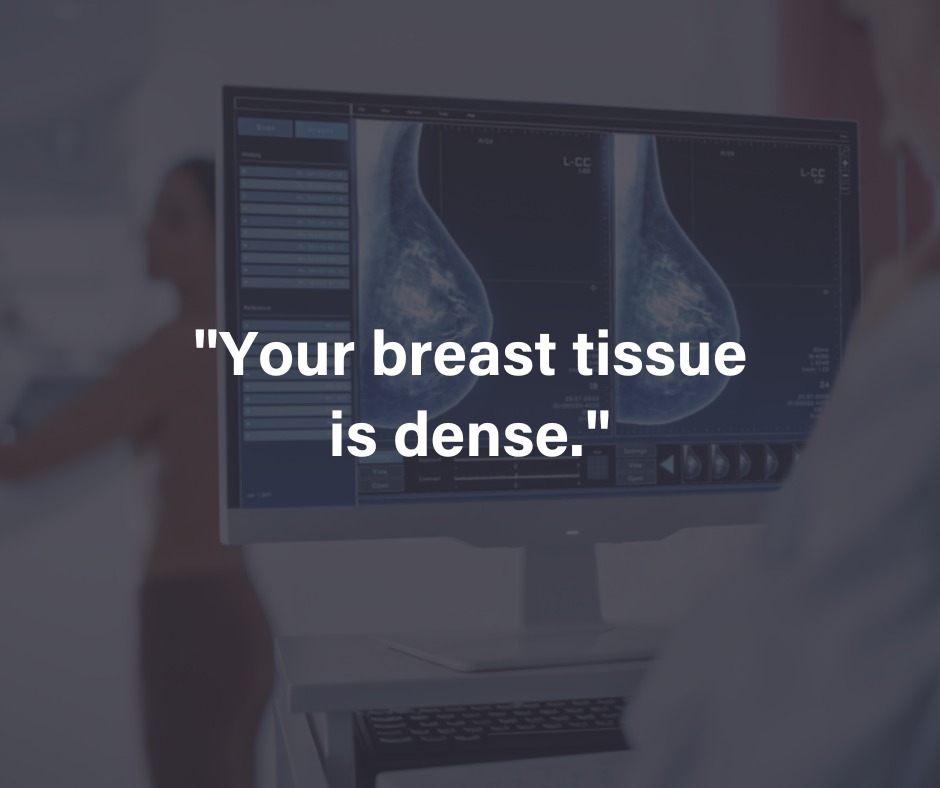
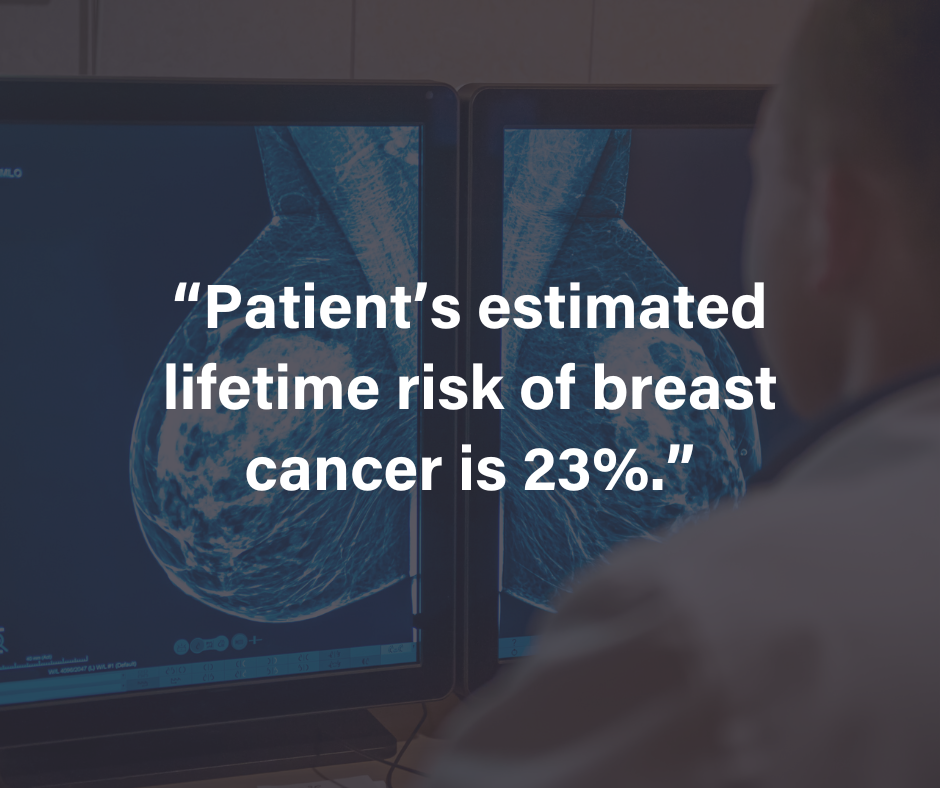
A new requirement included in MQSA regulation changes surrounds the topic of breast density, which has become increasingly important in mammography and breast cancer screening over the past decade. The new breast density notification change requires all mammography practices to notify any patient receiving a mammogram of their breast density in their mammography lay letter.
Standardized Language for Patient Communication
These MQSA regulation changes included standardizing the language used in both the finding report sent to the referring provider and the lay letter that is sent to the patient. The categories are simple — either “dense” or “not dense” — and help aid in the accuracy of breast cancer screening and FDA mammography reporting standards. This verbiage is to be used in every practice at a minimum. If a practice wants to add more information to this lay letter, they may.
This standardization also serves as an important tool for patients and their own health journeys. The more a woman knows about her risk factors — like dense breasts, for example — the better-prepared she is for conversations with her physician about next steps and prevention strategies.
Implications for Mammography Facilities
The purpose of the Mammography Quality Standards Act updates is to improve the quality of mammography services around the country, and to ensure a level of consistency across the board that allows for better understanding and more accurate breast cancer screening. MQSA compliance for imaging centers benefits everyone — facilities, patients, and breast cancer screening as a whole. These FDA mammography reporting standards are important improvements, but we know that actually implementing them can prove difficult in facilities that lack the technology or staff needed to make the shift. These circumstances can lead to burnout and inaccuracies.
Impact on Radiologists and Reporting Systems
Although these breast density notification requirements were generally received with positive response due to improved mammography services, there is no denying that they put a significant strain on many facilities.
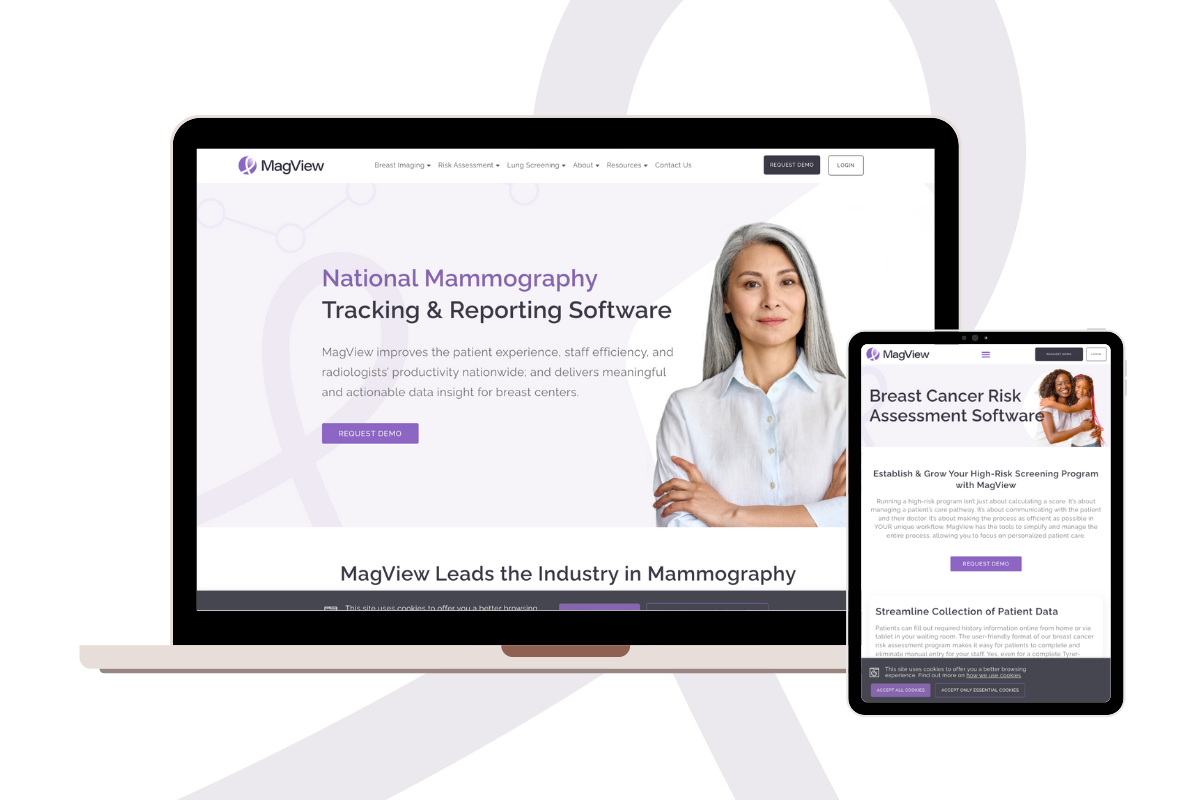
In order to ease the transition for our clients, MagView sent out communication far enough in advance that we were able to assist those facilities as they made the necessary changes. Because the MagView system is built to easily support automated tissue density collection and communication, our clients were able to make the transition with as little stress as possible.
How MagView Supports Compliance
Because MagView included the option to implement breast density notification requirements as soon as sites were ready, we were able to help in a way that eased the burden on staff, improved accuracy, and encouraged consistency in communication.
It’s our mission to continue that service into the future, which is why we are constantly monitoring and anticipating regulation changes. As requirements evolve, facilities can count on MagView to update our system well ahead of implementation deadlines.
Next Steps for Breast Imaging Centers
If you manage a breast imaging center and are curious about the ways MagView can help maintain compliance and improve logistics, we encourage you to reach out to us via phone or our contact form.
References:
- https://densebreast-info.org/legislative-information/fda-national-dense-breast-reporting/
- https://mammographyeducation.com/the-mqsa-final-rule-2023-what-exactly-changed-and-what-do-i-do-next/


























![shutterstock_1299510538-[Converted]](https://azuretest.magview.com/wp-content/uploads/2023/05/shutterstock_1299510538-Converted.jpg "monitoring breast density")