

Breast cancer risk is something unique to each patient and can be hard to determine — that’s where the Tyrer-Cuzick Version 8 risk assessment tool comes in. MagView offers access to the Tyrer-Cuzick v8 (TC8) risk assessment tool in two powerful ways.
- For patients: Use our free, online risk calculator to estimate your personal risk for developing breast cancer. You can share your results with your primary care provider, OB/GYN, or bring them with you to your next mammogram appointment.
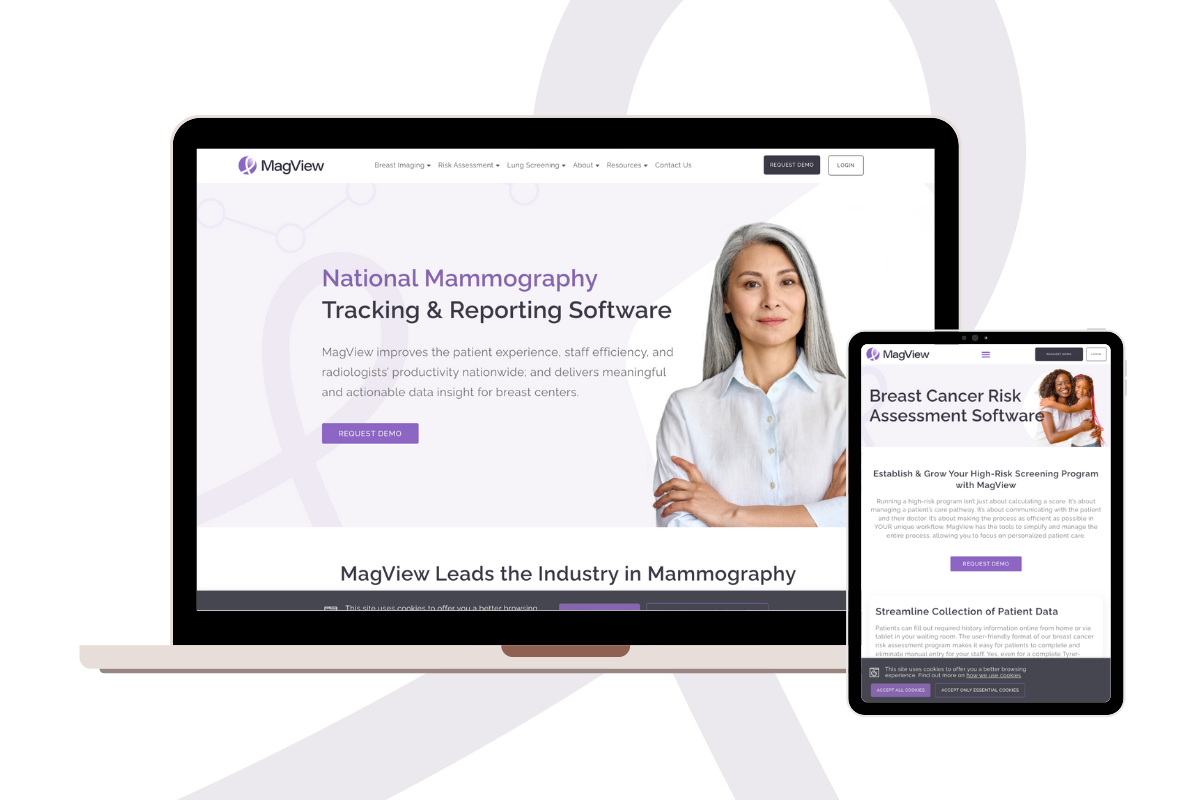
- For providers: Our clinician-facing version integrates seamlessly into primary care and breast center workflows, helping identify high-risk patients and support personalized screening plans.
Whether you’re a patient or a provider, MagView makes it easy to bring risk-based breast cancer screening into the conversation.
Understanding the Tyrer-Cuzick Version 8 Model
The Tyrer-Cuzick (or IBIS) test is a risk assessment model that estimates the likelihood of a woman developing breast cancer in 10 years and in her lifetime. The test itself is extensive and thorough, including as many breast cancer risk factors as possible.
Once all of this medical history and information is filtered through the Tyrer-Cuzick risk assessment tool, you are given a Tyrer-Cuzick “score,” a recognizable number score that reflects your likelihood of developing cancer.
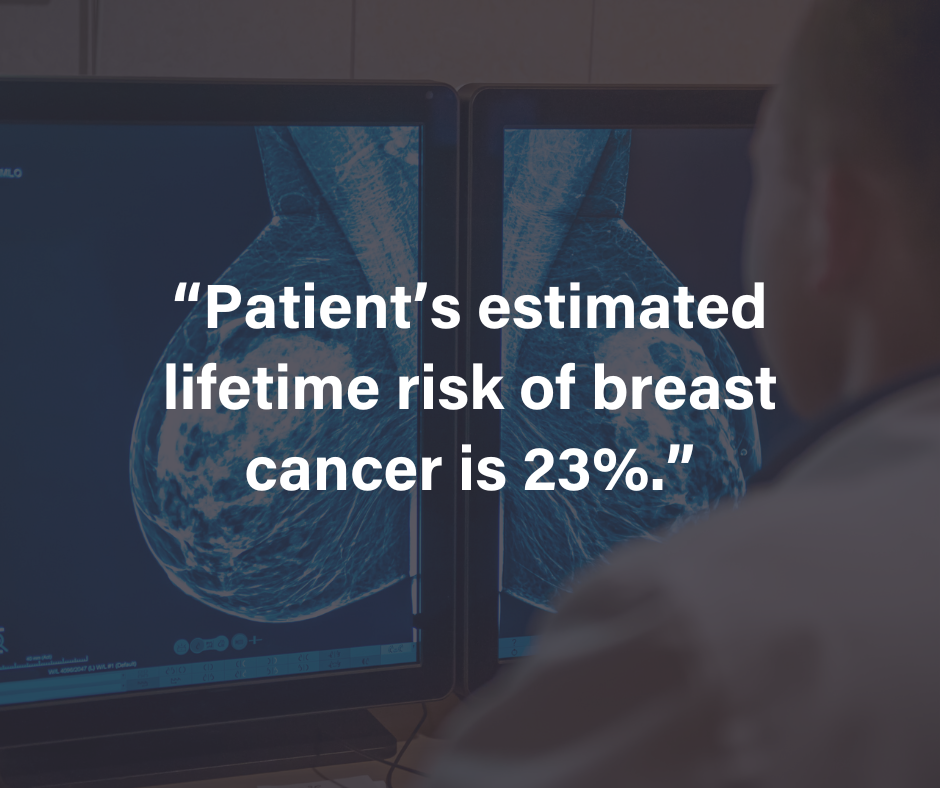
This risk score helps determine whether or not you are considered high-risk for breast cancer. Women with a lifetime risk of 20% or higher may qualify for additional imaging beyond a standard mammogram — such as a breast MRI — and may also be candidates for genetic counseling or testing. High-risk women should have a personalized breast care plan that differs from women at average risk, including earlier or more frequent screening.
Remember: The Tyrer-Cuzick breast cancer risk score does not predict whether or not you actually have cancer. Your breast cancer risk score is to be discussed with your provider in order to decide what kind of breast care plan you should follow. A high score does not automatically mean you have cancer, and a low score does not mean you can skip screenings.
Who Should Use the Tyrer-Cuzick Model?
The American College of Radiology now recommends that all women, especially black women and women of Ashkenanzi Jewish descent, have their breast cancer risk assessed by age 25. The Tyrer-Cuzick calculator takes into account complex family and medical histories and multiple risk factors, including:
- A strong family history of breast or ovarian cancer
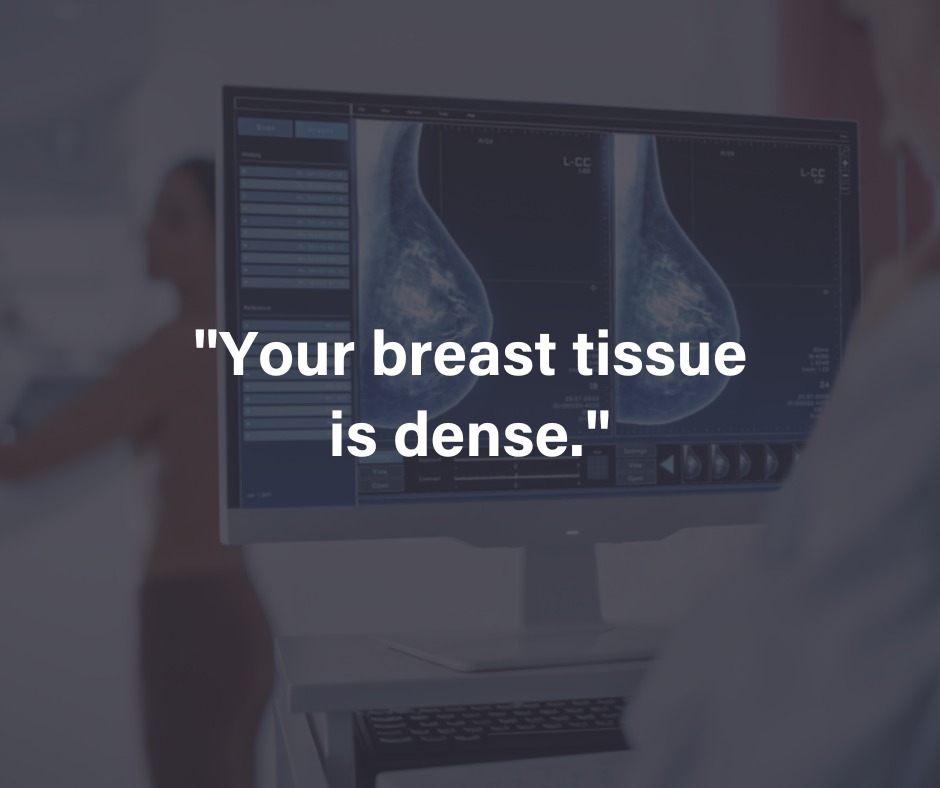
- Dense breast tissue
- Known genetic mutations (e.g., BRCA1/BRCA2)
- Prior atypical breast biopsies
If you know that you have any of these factors, speak with your breast health provider today and ask for a risk assessment using the Tyrer-Cuzick model.
How the Tyrer-Cuzick Model Works
The Tyrer-Cuzick model collects medical history data to produce 10-year risk scores (the likelihood of developing breast cancer in the next 10 years) and lifetime risk scores (the likelihood of developing breast cancer over the course of your life).
The model breaks the data and risk scores down to three categories:
Average Risk – Below 15%
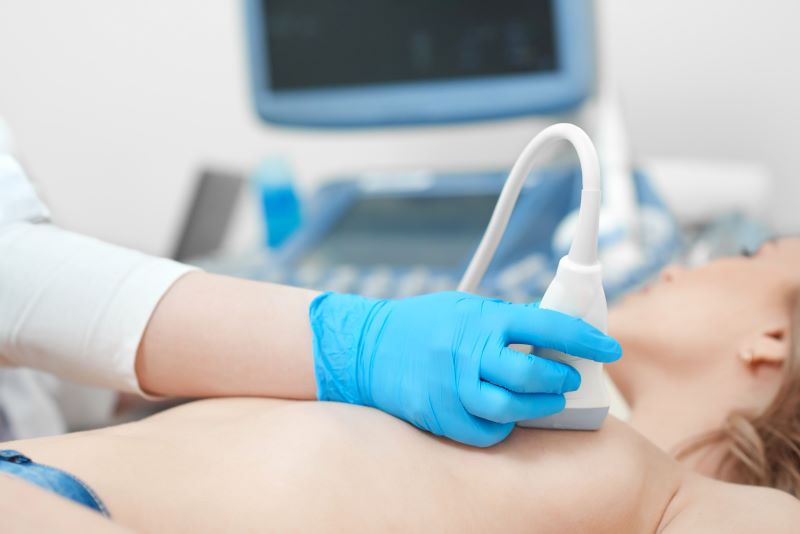
The recommendation for this risk category is annual mammograms starting at age 40. Women with dense breast tissue should have a 3D mammogram and may also consider MRI, contrast-enhanced mammogram, molecular breast imaging, or ultrasound, if possible.
Intermediate Risk – Between 15% and 19%
The recommendation for this category is annual mammograms beginning at age 40. However, speak to your doctor about whether or not supplemental screening through ultrasound and MRI may be necessary, especially if you have dense breasts.
High Risk – Higher than 20%
At this score, annual mammograms and MRIs are recommended, regardless of your breast density. If you are under 40 years old, speak to your doctor about beginning screening earlier. Your provider will work with you to create a breast health plan that meets your needs.
Actress Olivia Munn is a relatable, important example of the power of this tool. After both her mammogram and gene testing came back normal, her use of a breast cancer risk calculator showed an “alarmingly” high score. This score led to further investigation and the discovery of cancerous lesions in both of her breasts. This calculator likely saved her life.
Benefits of the Tyrer-Cuzick Model
A one-size-fits-all approach to breast health is dangerously outdated, and the TC8 risk assessment tool has been proven to make a life-saving difference. It’s an additional tool to support you and your doctor in understanding your breast health and creating a screening plan that is right for you.
Your risk score informs your provider’s decisions and recommendations for supplemental screening (like increased frequency, ultrasounds, and breast MRIs), helping to build a long-term preventative breast health plan. In the case of high-risk individuals, the Tyrer-Cuzick score can help support referrals for genetic counseling.
Limitations of the Tyrer-Cuzick Model
While the Tyrer-Cuzick model is considered to be comprehensive and highly beneficial, it does have some inherent limitations in certain circumstances, including:
- Adoption (when family history is unknown or unavailable)
- Small family size
- An inherent underestimation and lack of accuracy. No model is perfect, and these models often only identify around 70% of patients with breast cancer
- Low accuracy at the individual level
- Unequal performance in many ethnic populations; these risk models were primarily developed in populations of white European ancestry
Despite its limitations, the Tyrer-Cuzick model has identified a high number of breast cancer cases, and is a powerful tool in the field of breast cancer healthcare.
How MagView Can Help
MagView helps bring knowledge to women and empowers them to learn about their personal risk and take an active role in their breast health. Our free online risk calculator makes it easy for you to get your Tyrer-Cuzick score and share it with your doctor.
For clinicians, MagView integrates the Tyrer-Cuzick tool directly into existing workflows—making it simple, accurate, and efficient to collect risk information as part of routine care. With MagView, providers can spend less time on manual data entry and more time focusing on their patients.
Calculate your risk score today.
If you’re ready to try out the Tyrer-Cuzick risk calculator, please visit this link to get started. If you are curious about the Tyrer-Cuzick model, and how it can help your breast health provider improve the accuracy of your care, please fill out our contact form today!
References:






















![shutterstock_1299510538-[Converted]](https://azuretest.magview.com/wp-content/uploads/2023/05/shutterstock_1299510538-Converted.jpg "monitoring breast density")