

As women get older, breast cancer risk by age increases over time, making early detection and proactive breast healthcare an absolute must for women beginning at age 25. Our hope is that, through the spread of breast health risk information, and the accessibility of breast cancer risk assessment tools, more and more women can improve their outcomes to live long, healthy lives.
Why breast cancer risk changes over time
The risk for breast cancer increases as women age, due to the increased likelihood of abnormal cell changes as breast tissue cells age. Because of this, it’s important to get a baseline assessment of your breast cancer risk and your general breast health and density early on. The new recommendation is for women to receive breast cancer risk assessment at age 25, in order to get a full picture of a lifelong breast healthcare plan.
Why is knowing your breast cancer risk important?
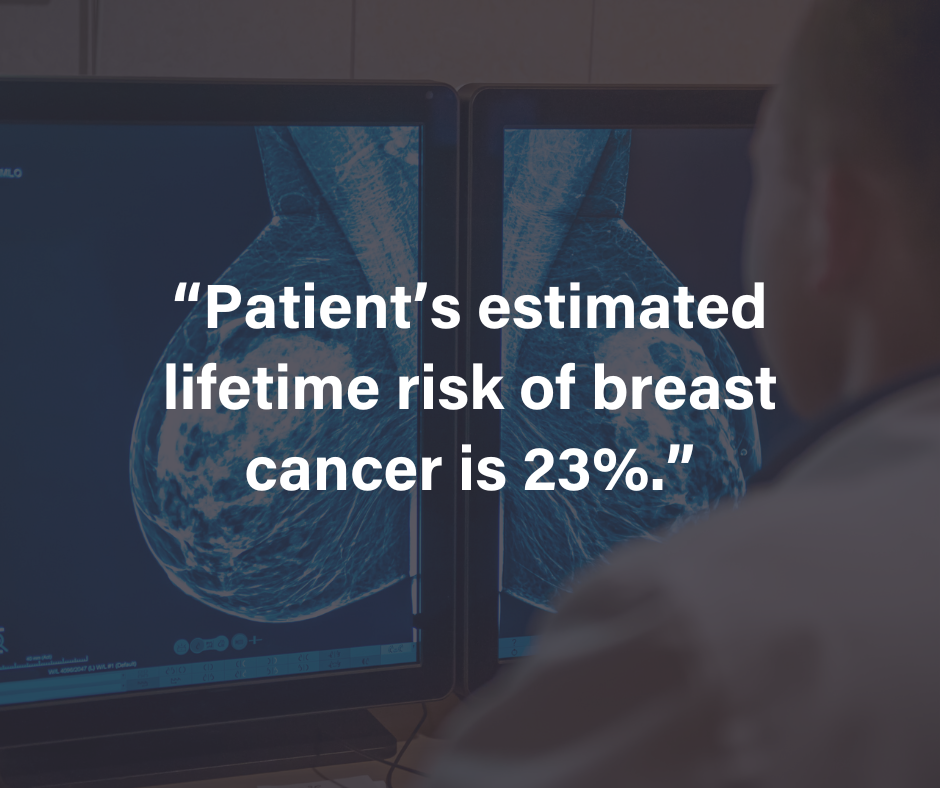
Knowing your risk is important because if you are high risk you may need to start screening earlier, and you may need other screening beyond a mammogram. If you are high-risk you may also be a good candidate for genetic testing. Risk assessments are important for everyone, regardless of their family’s history of breast cancer. Many personal factors (when you started your period, if/when you had your first child, breast density) play into your risk score.
Breast Cancer Care in Your 20s
Though breast cancer risk in your 20s is generally considered low, it’s the ideal time for women to begin a breast health care routine and undergo breast cancer risk assessment with their providers. This starts by having a conversation with your doctor, if they haven’t started the conversation with you already. Though it is recommended for all women to begin the journey at 25, certain risk factors for breast cancer make it even more important to meet with your breast healthcare provider early in life.
What We Can Do
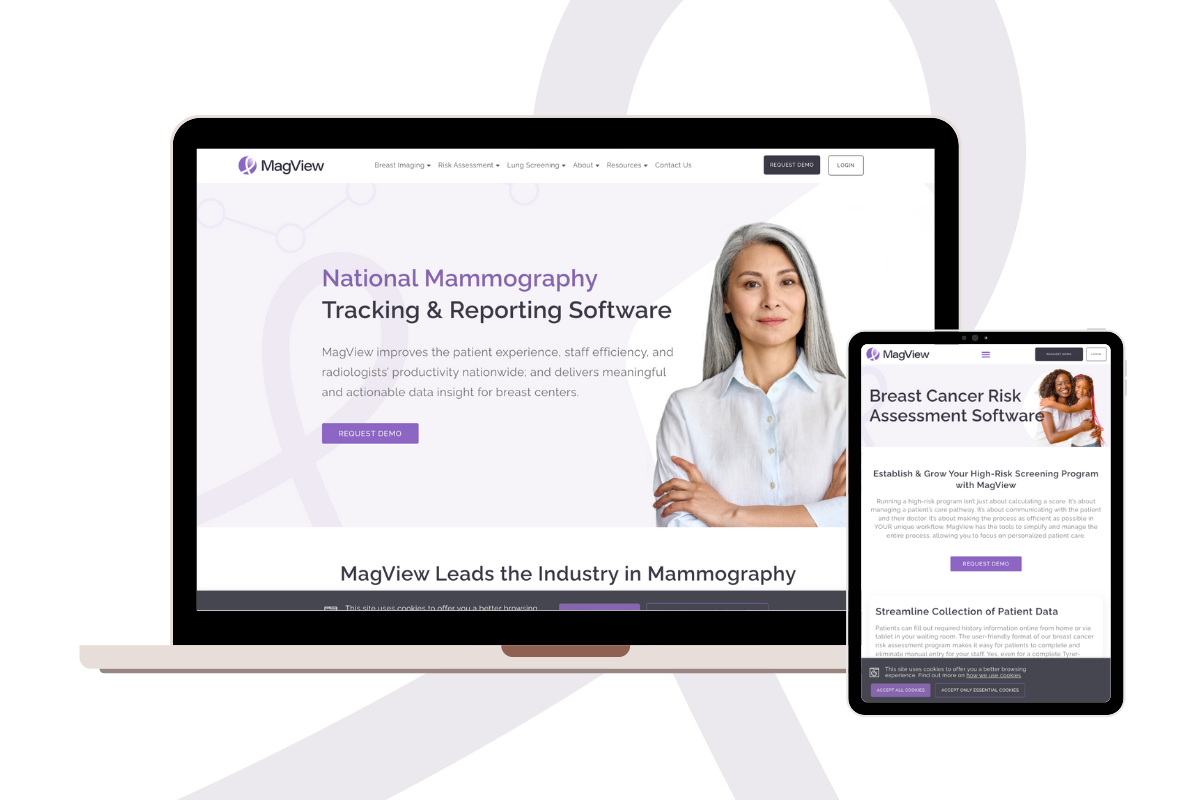
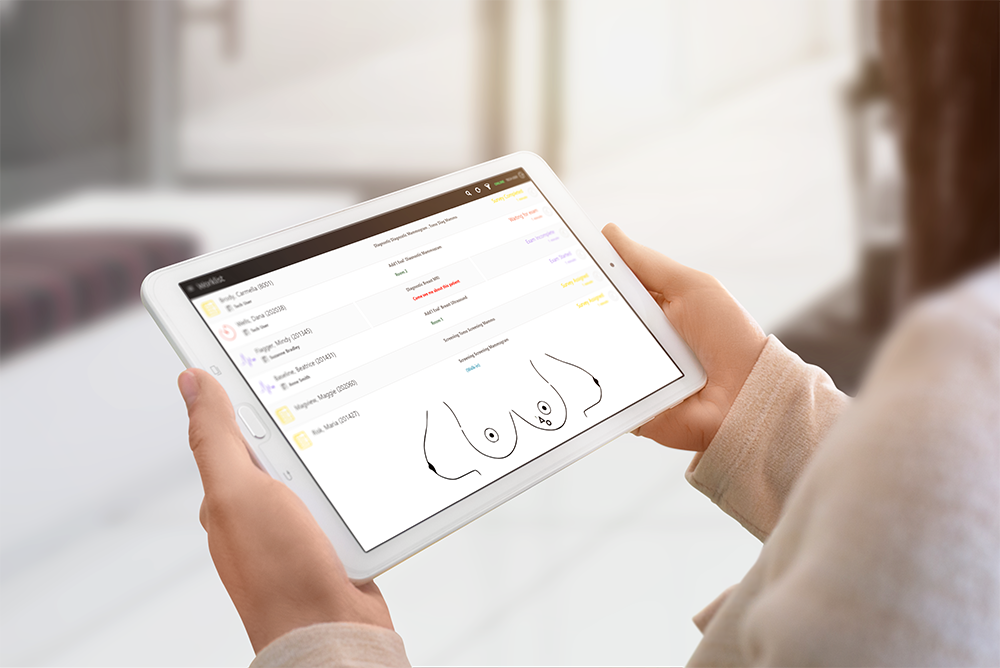
At MagView, we work hard to make our innovative breast cancer screening solutions accessible to providers helping their patients stay informed and proactive. If your breast health provider is unfamiliar with these assessments by age 25, we recommend sharing the MagView risk assessment tool with them, or even using the tool yourself and sharing those results. Your provider should be
able be able to help you come up with a care plan.
Breast cancer care in your 30s
By this decade of your life, if you haven’t received a breast cancer risk assessment, now is the time.
If you have already had your risk assessment and have been determined to be high risk, you should already be receiving screening and preventative care from your provider.
What can we do
Regular annual exams and breast health appointments recommended by your provider based on your risk assessment scores are the best ways to manage your risk in your 30s. If you have not received a risk assessment yet, now is the time.
Breast cancer care in your 40s
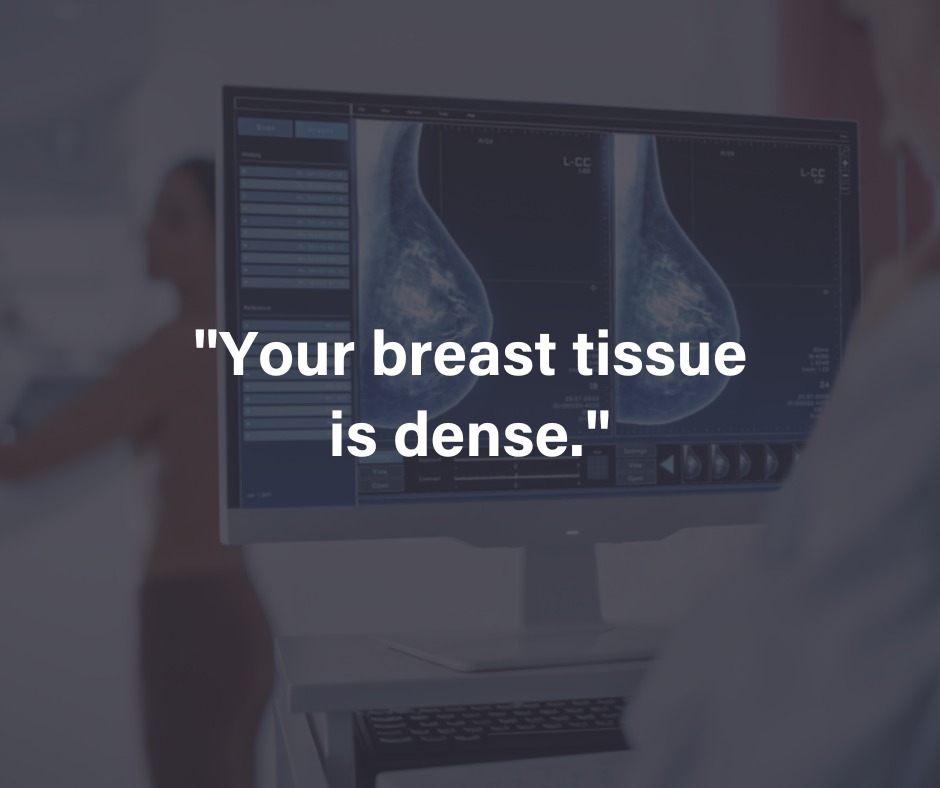
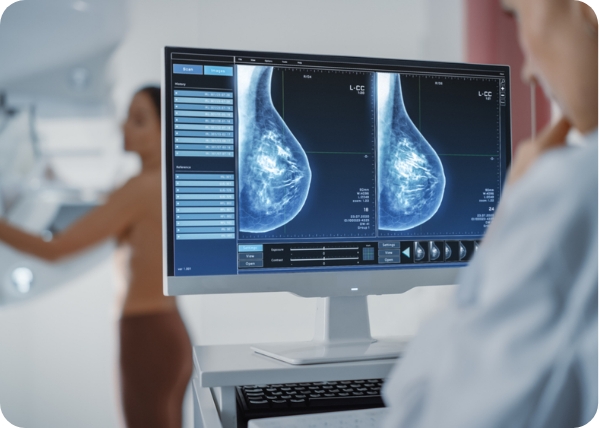
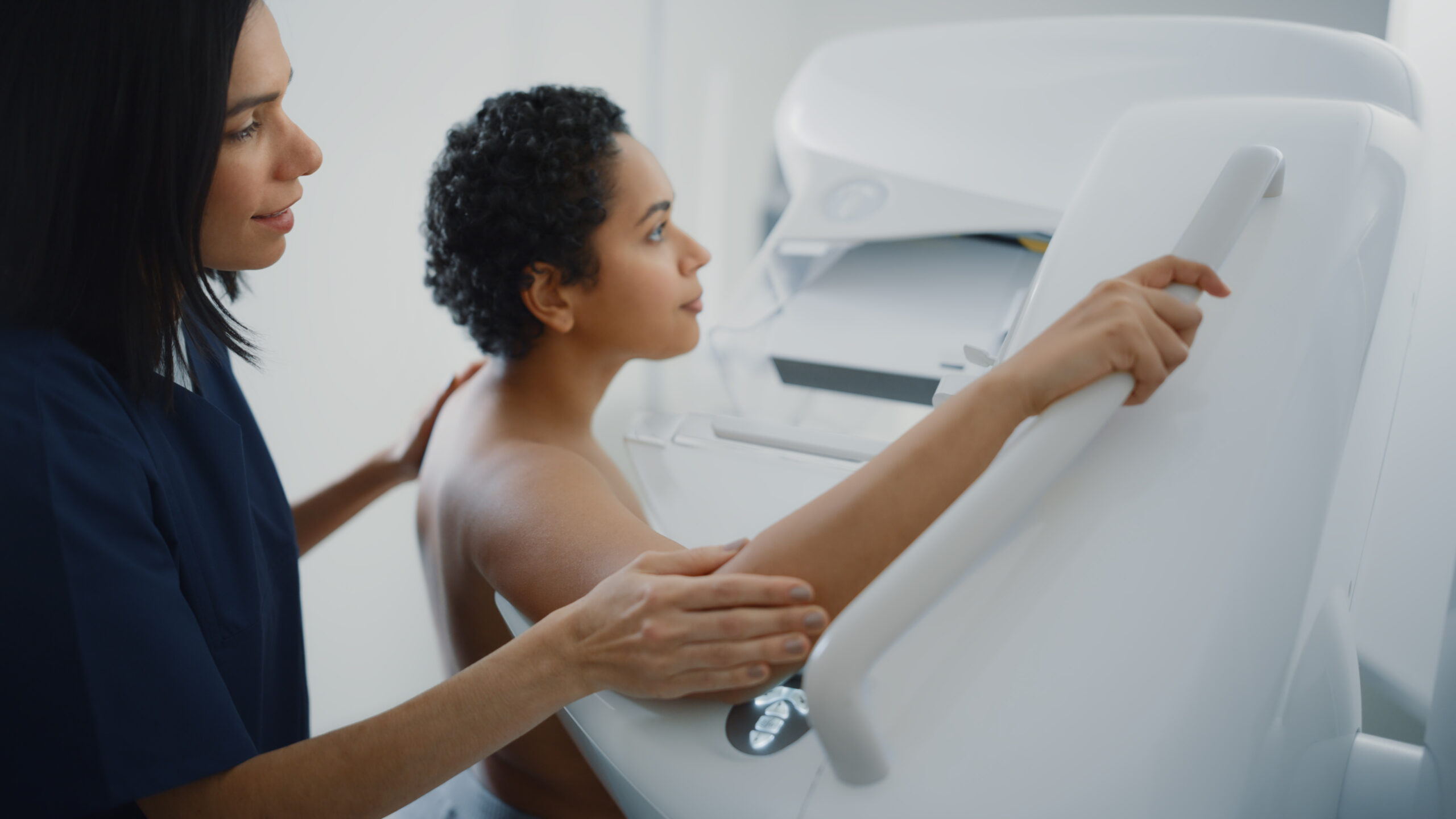
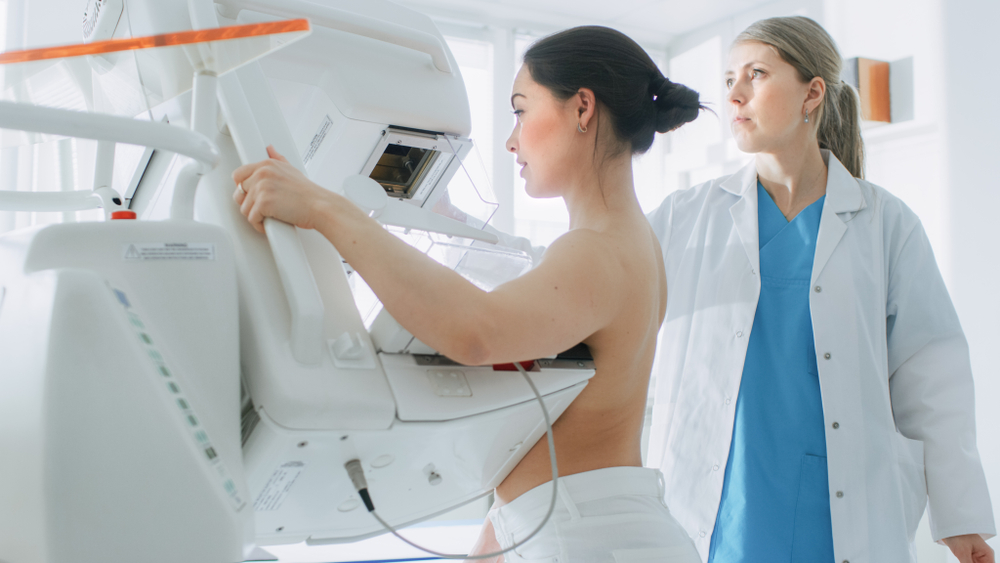
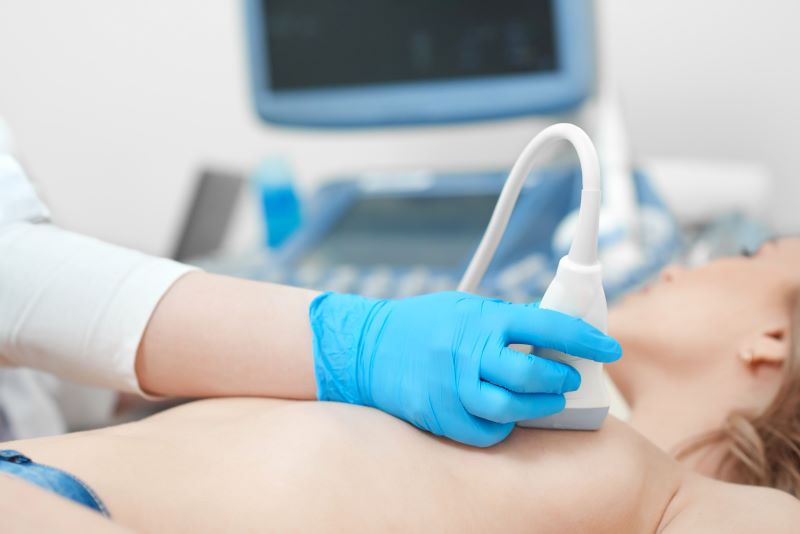
When you turn 40, annual mammograms will become officially recommended for you, although you may have been receiving them prior to this, if your risk score determined that it’s necessary. Regular mammograms at 40 have shown to be the most effective tool for mortality reduction. Early detection, surgical reaction and options, and even the effectiveness of chemotherapy are all improved by regular, proactive breast healthcare. If you have dense breast tissue, your provider may recommend further alternative screening methods for better accuracy.
Breast cancer care in your 50s, 60s, and beyond
Because abnormal cell changes occur more frequently and quickly as we age, our risk for breast cancer only goes up each year. Recommendations state that regular breast cancer screenings should continue every year indefinitely with age, so long as there aren’t health risks associated with screening that might negatively impact your long term health. Any physical changes in your breasts or general breast health should be reported immediately at any stage in life, but especially as you get older.
If you’re 40 or older, annual mammograms are recommended—but it’s also important to ask your doctor about a formal breast cancer risk assessment. Understanding your personal risk can help determine the most appropriate screening schedule and whether additional imaging, such as ultrasound, contrast-enhanced mammography, or MRI, may be beneficial for you.
How to reduce breast cancer risk
Though there is no sure-fire way to prevent breast cancer, there are methods you can take to reduce your risk:
- Find and maintain a healthy weight
- Quit all tobacco usage
- Spread out 150 to 300 minutes of moderate intensity or 75 to 150 minutes of vigorous intensity activity across each week
If you are considered “high risk,” your provider may recommend genetic counseling and testing, which may prompt more specific prevention methods, including certain medications and preventative surgery.
Proactive Screening is the Best Method of Prevention
One of the most effective ways to improve your breast cancer outcomes is to be proactive through regular screening and early assessment. MagView’s free online assessment tool is a great way to start a conversation with your provider.

















![shutterstock_1299510538-[Converted]](https://azuretest.magview.com/wp-content/uploads/2023/05/shutterstock_1299510538-Converted.jpg "monitoring breast density")