
A crucial thing to understand about breast health is that it’s an ongoing journey. By incorporating certain ongoing habits into your routine that help you monitor your breast health and any changes, you can increase the likelihood of early detection, and improve outcomes, should you develop breast cancer.

Incorporate a breast exam into your monthly routine.
Understanding Self-Breast Exams
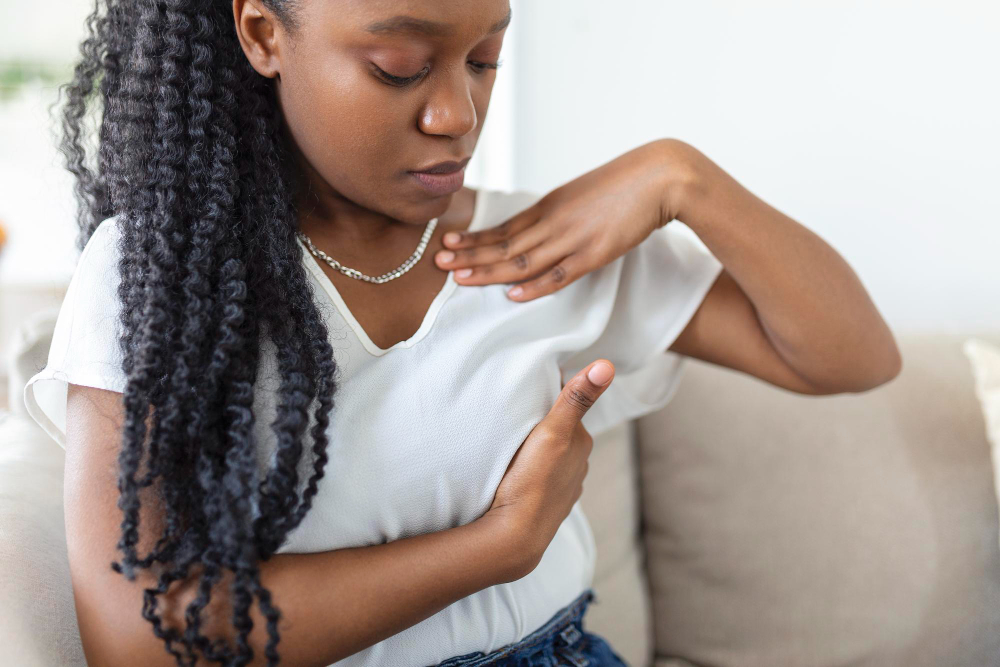
A breast self-exam is an important tool used in early breast cancer detection, and allows women to get familiar with the general “geography” of their breasts, so that lumps and any other changes can be more easily detected.
If a woman detects any change — physical (via touch) or visual — she should schedule an appointment with her physician right away. The monthly frequency of these breast self-exams plays a significant role in early detection, which can dramatically improve outcomes.
Recommended Frequency for Breast Self-Exams
Monthly breast self-exams are the universally-recommended standard of frequency for adult women of any age, but effectiveness of these exams can be affected by a few other factors, specifically menstrual cycles.
If you are still menstruating, it’s recommended to perform a breast self-exam 7-10 days after your period starts, which is typically a few days after your period ends. Menstruation can affect breast composition in some women, and this timing allows for more consistent monitoring.
If you are no longer menstruating, or are menopausal, experts recommend performing a breast self-exam on the same day of each month, typically the 1st or 15th of the month, as those dates are often easier to remember.
Tips for Effective Breast Self-Exams
Knowing how to do a self-breast exam is important. By following the best practices recommended by experts, you can improve the exam’s accuracy and reduce the margin for error.
When performing a breast exam, it’s important to do so:
- In the shower
- In the mirror
- Lying down
By doing the breast self-exam in each of these three ways, each month, you will be able to get the most comprehensive view of your breast health.
Other tips include:
- Use the pads of your 3 middle fingers
- Check the entire breast and armpit area
- Look for swelling, dimpling, and any irregularities
- Look for any changes in the nipples
- Visually check breasts while gently flexing the chest muscles
- Check for discharge by gently squeezing the nipples
- Perform the exam on both breasts
When to Seek Medical Advice
If you discover a lump, abnormality, or noticeable physical or visible change in your breasts, it’s important to be seen by your medical provider as soon as possible. The NBCA tells us that even though 8 out of 10 lumps are found to be benign, the only way to know for sure is through more in-depth evaluation.
A few minutes a month can have a lasting impact.
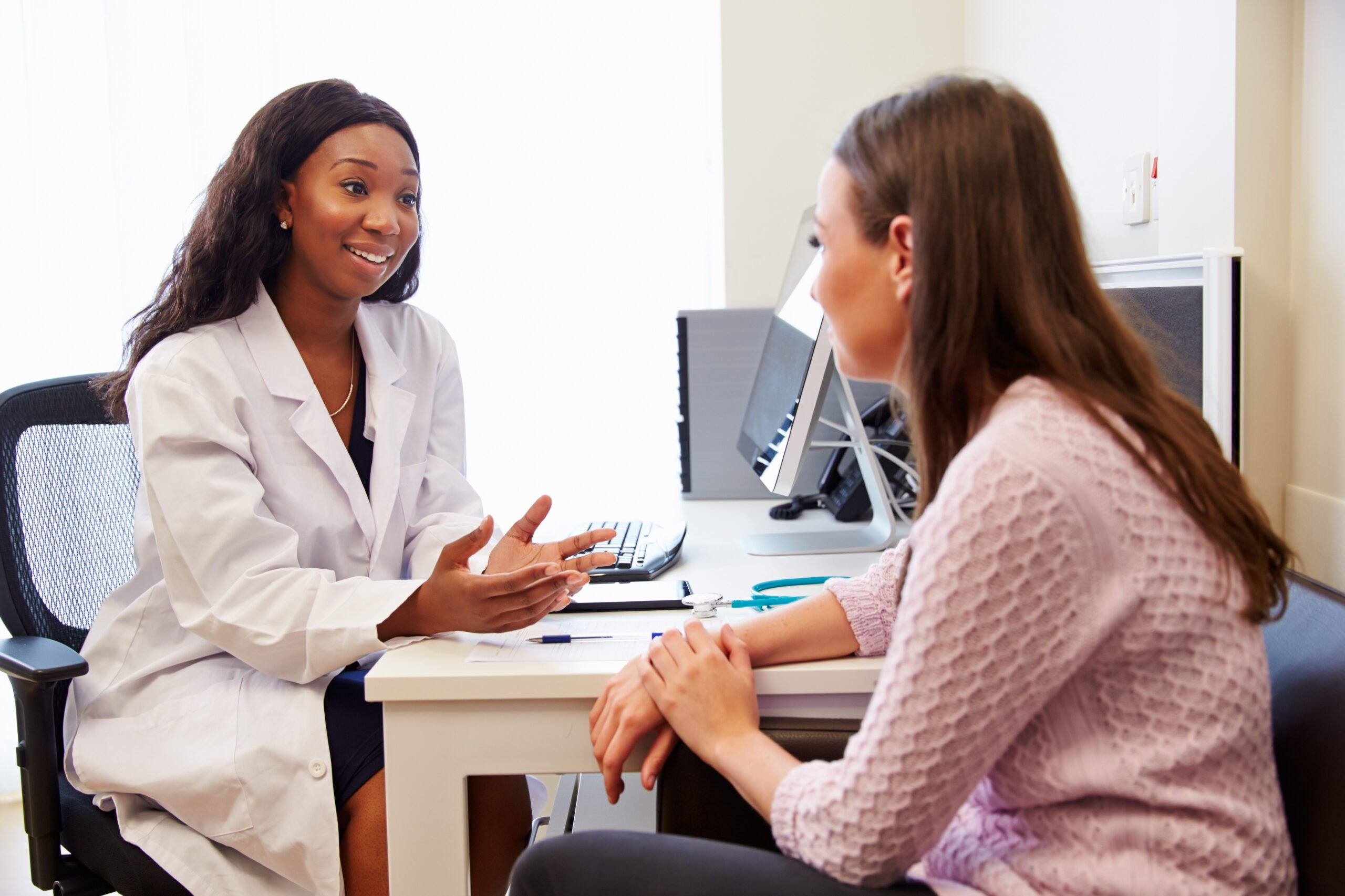
The idea of performing breast self-exams each month can be intimidating, but the benefits are immeasurable, and it only takes a few minutes of your time! If you have questions about how to do a breast self-exam, you can always contact your provider, or ask for tips at your next appointment. By staying proactive, aware, and informed, you can encourage positive breast health and early detection, if necessary.
Stay Informed, Stay Healthy
Follow our women’s health blog for more tips on breast cancer prevention and other women’s health concerns.












![shutterstock_1299510538-[Converted]](https://azuretest.magview.com/wp-content/uploads/2023/05/shutterstock_1299510538-Converted.jpg "monitoring breast density")